
 Office :
 Weekdays 8.30-2.30 | Weekend: By Appointments Only
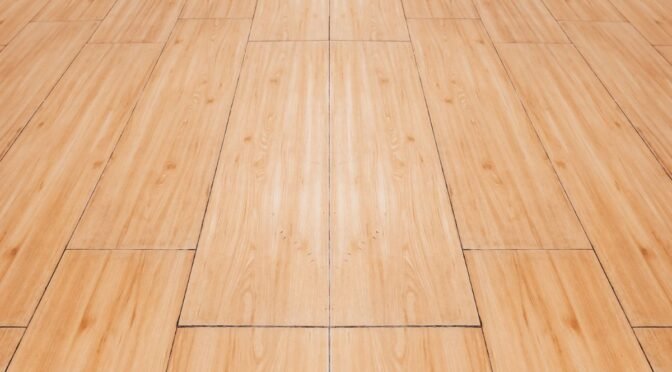
Melbourne’s south-east is home to some of Victoria’s most beautiful period properties — 1920s weatherboard cottages in Murrumbeena, 1940s brick homes along Oakleigh’s quiet tree-lined streets, and Federation-era houses within walking distance of Boyd Park in Hughesdale. Nearly all of these homes share one hidden treasure beneath their carpet, linoleum, or old polyurethane: original hardwood timber floors that, with professional sanding and restoration, can be brought back to life with stunning results.
At Premium Floor Gallery, based at 97 Warrigal Road, Hughesdale VIC 3166, our team has restored hundreds of timber floors across Melbourne’s south east — breathing new life into worn, scratched, and discoloured floorboards and turning them into the centrepiece of beautifully renovated homes. This comprehensive guide covers everything you need to know about floor sanding, timber floor restoration, floor levelling, and refinishing — from costs and finishes to the step-by-step process and suburb-specific considerations for properties across the City of Monash and beyond.
Ready to reveal what’s hiding under your carpet? Contact Premium Floor Gallery today for a free, obligation-free floor assessment at your Oakleigh, Murrumbeena, or Hughesdale property.
Why Melbourne’s South-East Homes Are Perfect Candidates for Timber Floor Restoration
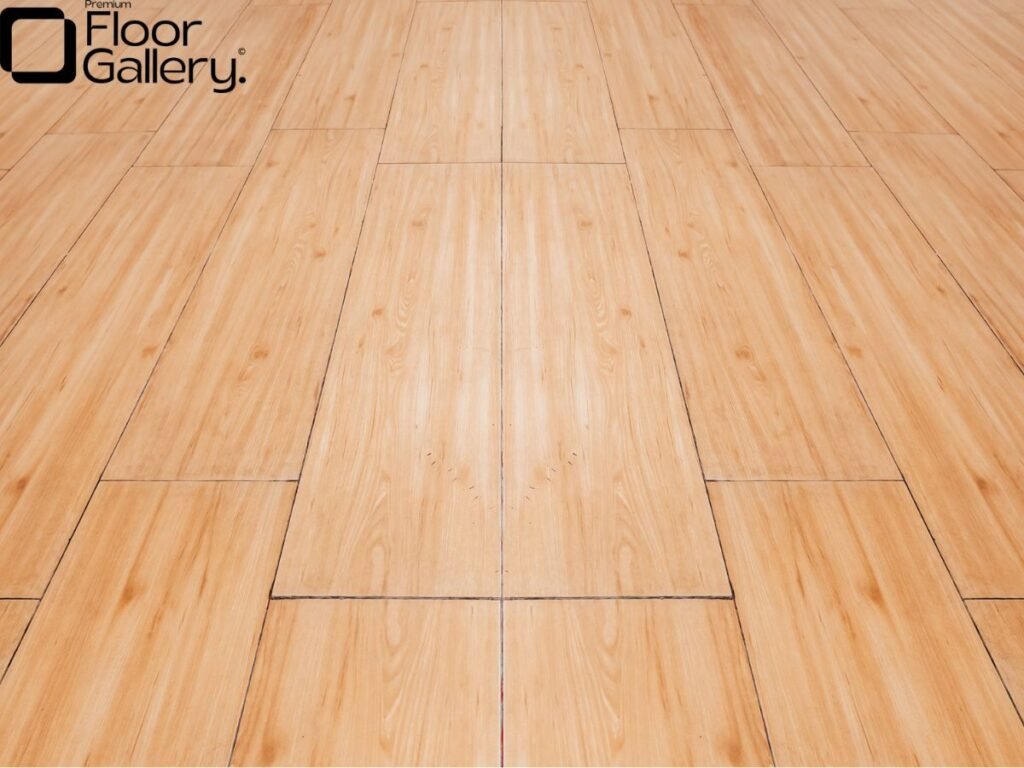
The postwar housing boom of the 1940s to 1960s produced thousands of homes across suburbs like Murrumbeena (VIC 3163), Carnegie (VIC 3163), Bentleigh East (VIC 3165), and Ormond (VIC 3204) — and the vast majority were built with solid hardwood timber floorboards as the primary flooring material. Species commonly found in these homes include:
- Spotted Gum — a dense, durable native hardwood with a distinctive interlocked grain
- Blackbutt — pale to light brown, popular in Melbourne’s postwar residential construction
- Victorian Ash — a straight-grained, lighter species widely used throughout Melbourne’s inner and middle suburbs
- Jarrah — a deep reddish-brown WA hardwood occasionally found in higher-end period homes
- Cypress Pine — a golden-yellow softwood found in some older Murrumbeena and Carnegie homes
Over decades of use, these floors accumulate scratches, surface stains, worn finish patches, carpet tack strip holes, and gaps between boards. However, solid hardwood floors can be sanded and refinished multiple times throughout their lifespan — making them one of the most sustainable and long-lasting flooring investments in any Melbourne home.
Explore our full range of wooden floor Melbourne services or read our guide on how to restore timber floors in Melbourne for more detail.
10 Signs Your Timber Floors Need Professional Sanding
Before scheduling a floor sanding service, it helps to know what you’re looking for. Here are the most common signs that your Hughesdale, Oakleigh, or Murrumbeena home’s timber floors need professional attention:
- Dull, grey, or black surface — oxidised finish that no longer responds to cleaning
- Deep scratches and gouges — visible through the finish into the timber itself
- Uneven sheen or patchy finish — worn through in high-traffic pathways (hallways, kitchen entries)
- Carpet tack strip holes and staple marks — left behind after carpet removal, common in homes across Oakleigh and Huntingdale
- Cupping or crowning of boards — where boards have absorbed moisture and their edges are higher or lower than the centre
- Squeaking floorboards — caused by movement between boards and subfloor, often fixable during sanding preparation
- Visible gaps between boards — particularly common in older Murrumbeena and Carnegie homes during dry winter months
- Discolouration from staining — pet urine stains, water marks, or ingrained dirt that cannot be cleaned out
- Old, yellowed oil-based polyurethane — common in homes last renovated in the 1980s and 1990s
- Previous DIY sanding attempts — uneven sanding, drum marks, or mismatched staining requiring professional correction
If your floors show three or more of these signs, a full sanding and refinishing by our team at Premium Floor Gallery will deliver a transformative result. For floors beyond sanding — such as structurally damaged boards — our wooden floor Melbourne replacement service offers a complete solution.
Our Floor Sanding & Restoration Services
Premium Floor Gallery offers a complete suite of timber floor services for residential and commercial properties across Melbourne’s south east. Each service is available as a standalone offering or as part of a full floor restoration package.
Dustless Timber Floor Sanding
Our primary floor sanding service uses modern dustless sanding systems — industrial-grade drum sanders and edge sanders connected to high-capacity dust extraction units. Unlike traditional sanding methods that fill your home with fine timber dust for days, our dustless approach captures over 95% of dust at the source, making the process safer, cleaner, and more comfortable for families and tenants in properties across Oakleigh, Carnegie, and Murrumbeena.
The sanding process removes:
- Old polyurethane, lacquer, oil, or wax coatings
- Surface scratches and minor gouges
- Staining and discolouration
- Carpet adhesive residue
- Unevenness between adjacent boards (within limits)
Timber Floor Gap Filling
Gaps between floorboards are extremely common in older Melbourne homes — particularly during winter when low relative humidity causes timber to contract. Our gap filling service uses:
- Flexible coloured putty — for small to medium gaps (up to 4 mm), colour-matched to your timber species
- Sanding dust and adhesive filler — a natural-looking option using the timber’s own sanding dust mixed with clear adhesive for a near-invisible result
- Cork rope filling — for larger gaps (4–10 mm) in older Murrumbeena and Carnegie homes where significant seasonal movement occurs
Floor Staining
Transform the colour and character of your timber floors with our professional floor staining service. We offer a full range of stain colours from light Scandinavian whitewash tones — currently trending in Melbourne’s 2025–2026 interior design scene — through to rich, dark walnut and ebony finishes popular in heritage home renovations across Oakleigh and Chadstone.
All stains are applied after sanding and before the final finish coat, allowing full penetration into the open timber pores for a long-lasting, uniform result.
Floor Levelling for Timber Installation
Many older Melbourne homes have uneven subfloors — the result of decades of subfloor timber movement, concrete slab settlement, or previous poor-quality installations. Our floor levelling Melbourne service addresses these issues using self-levelling compounds and spot grinding before new timber, hybrid, or epoxy flooring is installed.
For subfloor levelling as a standalone service or as preparation for a new floor installation, read more on our dedicated floor levelling Melbourne page.
Timber Floor Polishing & Coating
After sanding and any staining, the floor is sealed with a protective coating. We offer all major finish types used by Melbourne’s professional flooring industry:
- Water-based polyurethane — our most popular choice; clear, non-yellowing, fast-drying (2–4 hours between coats), low VOC. Ideal for light-toned timbers in Murrumbeena and Carnegie homes where preserving the natural colour is important
- Oil-based polyurethane (2-pack) — the traditional Melbourne choice; adds a warm amber tone, highly durable, 12–24 hour recoat time. Suited to darker species like Jarrah or Spotted Gum
- Hardwax oil — a penetrating, natural-look finish popular in European-inspired interiors; easy to spot-repair, great for families with young children
- Lacquer finishes — fast-drying, suitable for light commercial applications in Oakleigh and Chadstone retail spaces
For a full comparison of finish types and guidance on which suits your Melbourne home, read our ultimate guide to selecting the perfect timber flooring.
Floor Sanding & Restoration — The Step-by-Step Process
Here is exactly what happens when our team arrives at your Oakleigh, Murrumbeena, or Huntingdale property for a floor sanding and restoration job.
Step 1 — Pre-Job Assessment & Timber Inspection
Our technician visits your property to assess:
- Species, thickness, and overall condition of the floorboards
- Extent of surface damage, staining, and wear
- Presence of moisture issues (critical in ground-floor Melbourne homes, particularly near Scotchman’s Creek in Murrumbeena and Carnegie)
- Subfloor condition and any squeaking or movement
- Nail and staple protrusion that must be addressed before sanding
Step 2 — Preparation
All furniture is moved, carpets and underlay are removed, and the floor is vacuumed. Protruding nails are punched below the surface to avoid damaging sanding belts. Carpet tack strips are removed and tack strip nail holes are filled. Door clearances are checked — sanded floors are 1–2 mm thinner after sanding, sometimes requiring doors to be trimmed.
Step 3 — Coarse Sanding (Drum/Belt Sander)
The main sanding pass uses a professional drum or belt sander fitted with coarse abrasive (24–40 grit) to strip the existing finish and level the floor surface. This is the most critical and skilful stage — incorrect drum sander technique causes irreversible drum marks or diagonal scratches that are difficult to remove. Our experienced team uses weighted rotary sanders for most residential jobs, which remove less timber per pass and reduce the risk of over-sanding — particularly important for older Melbourne homes where the floorboards may have been sanded previously.
Step 4 — Edge Sanding
A dedicated edge sander addresses the perimeter of the room where the drum sander cannot reach — along skirting boards, in corners, and around door frames. This stage requires careful attention to ensure the edge sanding blends seamlessly with the centre sanding.
Step 5 — Fine Sanding & Screening
Progressive fine-grit sanding passes (60, 80, and 100 grit) refine the surface, remove coarse scratch marks from earlier stages, and prepare the timber for coating. A final screening pass (120–150 grit) creates a uniformly smooth, open surface that accepts stain and finish coats evenly.
Step 6 — Gap Filling (If Required)
After the coarse sanding stage, any gaps, holes, and cracks are filled using the appropriate material (see Gap Filling section above). Filler is allowed to cure fully before fine sanding resumes.
Step 7 — Staining (Optional)
If a stain colour has been selected, it is applied evenly by brush or applicator pad and allowed to penetrate for the specified dwell time before any excess is wiped back. Staining dramatically changes the character of the floor and must be done correctly — we always recommend a test patch in an inconspicuous area first.
Step 8 — Finish Coat Application
The selected finish (water-based polyurethane, oil-based polyurethane, hardwax oil, or lacquer) is applied in 2–3 coats with light screening between coats to ensure a smooth, bubble-free result. Each coat must cure to the correct hardness before the next is applied.
Step 9 — Final Inspection & Handover
Our team conducts a final inspection under raking light before returning the room to you. We provide maintenance instructions, recommended cleaning products, and guidance on how long to wait before replacing furniture (typically 24–72 hours depending on finish type).
Floor Sanding & Restoration Cost in Melbourne — 2026 Pricing Guide
Pricing for floor sanding and restoration in Melbourne varies depending on the size of the area, the condition of the floors, the finish selected, and any additional services required. Here is a transparent guide based on current Melbourne market rates.
Cost Per Square Metre (Professional Services)
| Service | Estimated Cost Per m² | Minimum Fee |
|---|---|---|
| Timber refresh (light sand, 2-coat recoat) | $19 – $24 per m² | $450 |
| Timber restore (full sand + 2-coat finish) | $28 – $35 per m² | $700 |
| Full sand, stain & polyurethane (2-pack) | $80 – $110 per m² | $1,600 |
| Floor staining only (after sanding) | $12 per m² | Included in package |
| Timber floor gap filling | From $20 per m² | — |
| Floor levelling (self-levelling compound) | From $30 per m² | — |
Pricing is indicative for Melbourne’s south-east metropolitan area as of 2026. Final quotes depend on floor area, existing condition, and chosen finish. Contact Premium Floor Gallery for a free, written, on-site quote specific to your property.
Typical Project Costs for Melbourne Homes
- Hallway + 2 bedrooms (approx. 40 m², full restore): $1,120 – $4,400
- Open-plan living/dining (approx. 55 m², full sand + stain + poly): $1,540 – $6,050
- Whole-house restoration (approx. 120 m²): $3,360 – $13,200 depending on condition and finish
- Small bedroom refresh (approx. 12 m²): $450 minimum fee applies
Additional Cost Factors for Melbourne South-East Properties
- Carpet removal and disposal — $25 per m² additional (common in older Oakleigh and Huntingdale homes converting from carpet to exposed timber)
- Nail punching and tack strip removal — typically included in full restoration packages
- Furniture removal and replacement — from $250 per job
- Door trimming — from $60 per door leaf where clearance is affected post-sanding
- Subfloor repairs — priced on inspection for properties with damaged bearers or joists, common in some older Murrumbeena homes near the Scotchman’s Creek drainage area
Choosing the Right Floor Finish for Your Melbourne Home
Selecting the right finish is as important as the sanding itself. Here is a practical guide for Melbourne south-east homeowners to help you choose.
Water-Based Polyurethane — Our #1 Recommendation for Melbourne Homes
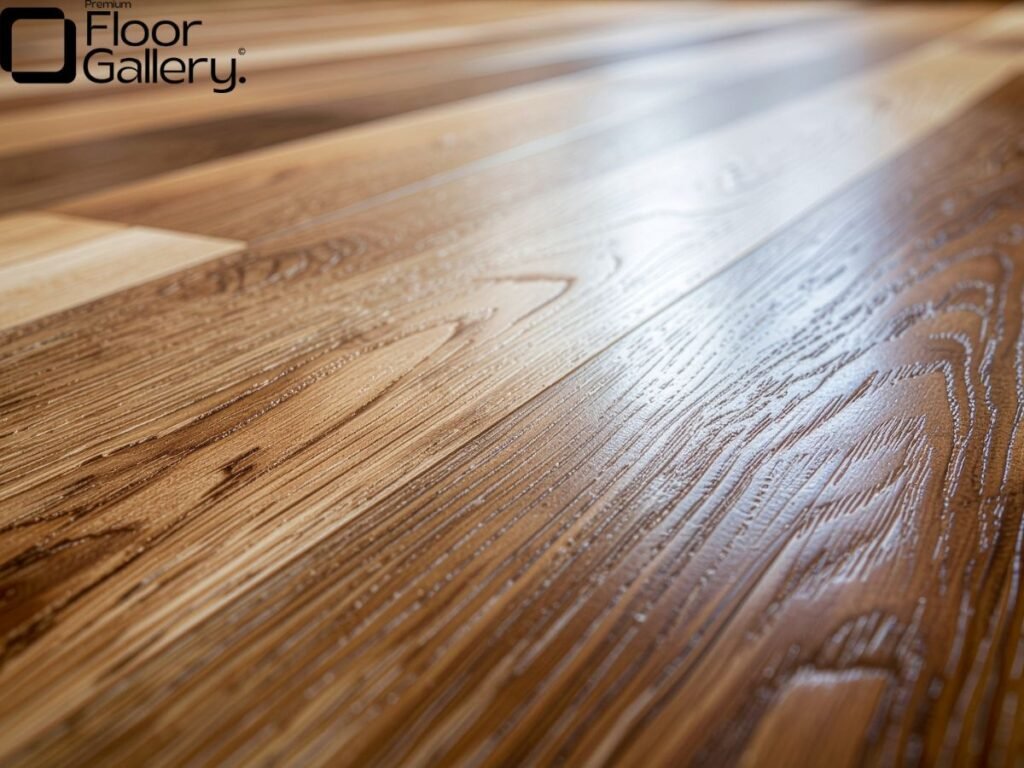
Water-based polyurethane is the most popular choice for Melbourne residential floor restoration in 2025–2026 — and with good reason. It is:
- Clear and non-yellowing — preserves the natural colour of light-toned timbers like Victorian Ash and Blackbutt, which are common in Murrumbeena and Carnegie homes
- Low VOC — safer for families with young children or pets during and after application
- Fast-drying — 2–4 hours between coats, meaning a full 3-coat system can be completed within a single working day
- Durable — modern water-based polyurethanes provide excellent scratch and abrasion resistance
Oil-Based (2-Pack) Polyurethane
2-pack polyurethane remains the preferred choice for homeowners wanting maximum durability and a warmer, amber-toned appearance. It is particularly well-suited to darker species like Jarrah and Spotted Gum found in some premium period homes near Chadstone and Holmesglen. Longer dry times (12–24 hours between coats) mean the job takes an additional day, and the space must be well-ventilated throughout.
Hardwax Oil
A penetrating oil-based finish that soaks into the timber rather than forming a surface film. The result is a natural, low-sheen, tactile surface that feels like raw timber. Hardwax oil finishes are easy to spot-repair without requiring a full resand — simply clean and re-oil the affected area. Ideal for busy family homes in Oakleigh and Bentleigh East with high foot traffic, children, and pets.
2026 Melbourne Trend: Light, Matte, and Natural
Current flooring trends for Melbourne homes in 2026 strongly favour light natural tones, matte or satin sheens, and minimally processed timber appearances. If your Murrumbeena or Oakleigh timber floors have been stained dark in a previous renovation, our team can sand back to raw timber and refinish in a lighter, more contemporary tone — transforming the entire feel of your home.
For guidance on species choices and their aesthetic outcomes, read our articles on why oak floor is the perfect choice for homeowners and how European oak raises the value of your house.
Floor Sanding vs. Floor Replacement — What’s Right for Your Melbourne Home?
One of the most common questions homeowners ask us is: “Should I sand and restore my existing floors, or replace them with new timber or hybrid flooring?” Here is an honest assessment.
| Factor | Sand & Restore | Replace with New Flooring |
|---|---|---|
| Cost | Lower — $28–$110/m² | Higher — $60–$180+/m² installed |
| Timeline | 1–3 days for most homes | 1–5 days depending on scope |
| Best for | Structurally sound, salvageable boards | Heavily damaged, thin, or rotted boards |
| Environmental impact | Low — retains existing material | Higher — new materials required |
| Outcome | Restores original character | Fresh, new appearance |
| Melbourne period homes | Ideal — preserves heritage value | Replaces heritage character |
If your floorboards are structurally sound — no rot, no severe cupping beyond 3–4 mm, and sufficient board thickness remaining (minimum 12–15 mm for sanding) — restoration is almost always the better choice for Melbourne’s south-east period homes. It preserves the home’s heritage character, is significantly more cost-effective, and the environmental footprint is minimal compared to full replacement.
For homeowners whose floors genuinely cannot be saved, explore our oak floors Melbourne, herringbone oak, authentic hybrid flooring, and full residential flooring Melbourne range as replacement options. You can also read our real wood vs engineered wood guide to understand your replacement choices.
Floor Sanding for Commercial Spaces in Melbourne’s South East
Timber floor sanding is not limited to residential properties. Premium Floor Gallery restores and refinishes timber floors in commercial spaces across Melbourne’s south east, including:
- Retail shops and boutiques along Oakleigh’s Hanover Street and Carnegie’s Koornang Road
- Offices and co-working spaces in the Notting Hill Business Park and Clayton’s Monash tech precinct
- Hospitality venues — cafes, restaurants, and bars where original hardwood floors add warmth and character
- Heritage buildings — period commercial properties along Warrigal Road and Centre Road requiring sympathetic restoration of original floorboards
For high-traffic commercial environments, we recommend 2-pack polyurethane or commercial-grade hardwax oil for superior durability. Visit our commercial flooring Melbourne page for full details.
Melbourne Building Compliance for Timber Floor Sanding
Victorian Building Authority (VBA) — Permits for Floor Work
Standard floor sanding, refinishing, and staining of existing timber floorboards in residential properties does not require a building permit in Victoria. However, if subfloor structural repairs — such as replacement of bearers, joists, or concrete subfloor work — are involved, a building permit from a registered building surveyor may be required. The Victorian Building Authority provides detailed guidance for Victorian homeowners.
VOC Emissions and Indoor Air Quality
Floor finishing products — particularly oil-based polyurethanes and solvent-based stains — emit volatile organic compounds (VOCs) during application and curing. In Melbourne’s residential areas, we strongly recommend:
- Ensuring adequate cross-ventilation throughout the property during and for 24–48 hours after application
- Vacating the property during oil-based finish application if possible (particularly for young children, pregnant women, or people with respiratory sensitivities)
- Choosing water-based polyurethanes wherever possible for significantly lower VOC emissions — these now match or exceed oil-based systems in durability
Our team always discusses finish selection and ventilation requirements with clients during the assessment stage. For properties in strata buildings or apartment complexes across Oakleigh and Chadstone, body corporate approval may be required before sanding commences — check with your strata manager or the Consumer Affairs Victoria strata guide for your obligations.
Noise Considerations — City of Monash
Floor sanding equipment generates significant noise. Under City of Monash Council local laws and the State’s Environment Protection Act 2017, residential construction noise is generally permitted between 7 AM and 10 PM on weekdays and 9 AM to 10 PM on weekends. Our team schedules all sanding work within these hours and notifies neighbouring properties where appropriate in closely spaced Murrumbeena and Oakleigh streetscapes.
Local Project Examples Across Melbourne’s South East
Carnegie — 1950s Home, Full House Restoration
A homeowner on Koornang Road, Carnegie (VIC 3163) had wall-to-wall carpet removed throughout their 120 m² home to reveal original Blackbutt floorboards in remarkably good condition beneath. After a full sand, gap fill, and application of a three-coat water-based polyurethane system in a satin finish, the floors became the standout feature of the renovated home. Total project duration: 3 days.
Oakleigh — Heritage Victorian Terrace Restoration
A double-fronted Victorian terrace near Oakleigh Train Station (VIC 3166) had Jarrah floorboards that had been stained dark chocolate in the early 1990s and were showing significant wear in the hallway and living room. We sanded back to raw timber, applied a warm walnut stain, and finished with 2-pack polyurethane. The result honoured the property’s heritage character while providing a fresh, durable surface. Total project duration: 2 days.
Bentleigh East — Post-Renovation Subfloor Levelling and New Oak Installation
A homeowner in Bentleigh East (VIC 3165) had an uneven concrete subfloor following a bathroom extension. Before our oak floors Melbourne installation could proceed, our floor levelling Melbourne team applied a self-levelling compound to correct a 9 mm height variation across the 45 m² open-plan area. New engineered European oak was then installed directly over the levelled slab for a seamless result.
Suburbs We Serve for Floor Sanding & Timber Restoration
Premium Floor Gallery’s team operates from our Warrigal Road showroom in Hughesdale and services all suburbs across Melbourne’s south east. Our central location on one of Melbourne’s most accessible arterial roads means we can reach your property promptly.
| Suburb | Postcode | Local Landmark / Route |
|---|---|---|
| Hughesdale | VIC 3166 | Boyd Park, Warrigal Rd showroom |
| Oakleigh | VIC 3166 | Oakleigh Train Station, Hanover St |
| Oakleigh East | VIC 3166 | Oakleigh Recreation Centre |
| Huntingdale | VIC 3166 | Huntingdale Rd, Monash Freeway |
| Murrumbeena | VIC 3163 | Poath Road, Scotchman’s Creek Trail |
| Carnegie | VIC 3163 | Koornang Road shopping strip |
| Chadstone | VIC 3148 | Chadstone Shopping Centre |
| Holmesglen | VIC 3148 | Holmesglen TAFE, Warrigal Rd |
| Clayton | VIC 3168 | Monash University, Clayton Road |
| Notting Hill | VIC 3168 | Monash Business Park |
| Bentleigh East | VIC 3165 | Centre Road, Mackinnon Road |
| Clarinda | VIC 3169 | Kingston Heath Reserve, Centre Rd |
| Ormond | VIC 3204 | North Road, Ormond Station |
| Moorabbin | VIC 3189 | South Road, Kingston City border |
| Springvale | VIC 3171 | Springvale Road, Sandown precinct |
We are accessible from the Monash Freeway (M1) via the Huntingdale Road interchange and are minutes from the Warrigal Road / Princes Highway intersection, making our team efficient across all south-east Melbourne postcodes.
Frequently Asked Questions — Floor Sanding Melbourne
How many times can timber floors be sanded?
Solid hardwood floorboards (typically 19 mm thick) can generally be sanded 4–6 times over their lifetime, depending on how much material is removed with each sand. A professional sand removes approximately 1–2 mm of timber. Engineered timber flooring can typically be sanded 1–3 times depending on the veneer layer thickness. Our team measures board thickness during assessment to confirm sanding viability.
How long does floor sanding take?
A typical 2-3 bedroom Melbourne home with 80–100 m² of timber floors can be sanded and recoated within 2–3 days — including sanding, gap filling, and 2–3 coats of water-based polyurethane. Oil-based finishes require an additional day due to longer cure times between coats.
Do I need to move out during floor sanding?
For water-based polyurethane systems, most families remain in the home — occupying unaffected areas while the team works room by room. For oil-based polyurethane (2-pack), we recommend vacating during application due to strong solvent odours — particularly for households with young children, pets, or respiratory sensitivities.
Can you sand parquetry floors?
Yes — parquetry floors require specialised sanding techniques due to the multi-directional grain pattern. Drum sanders cannot be used on parquetry; instead, orbital or rotary sanders are used to avoid tearing the grain across different block directions. Premium Floor Gallery has experience with parquetry restoration in period homes throughout Murrumbeena, Oakleigh, and Carnegie.
Can engineered timber floors be sanded?
Engineered timber floors can typically be sanded if the top veneer layer is at least 3–4 mm thick. Thinner engineered veneers (1.5–2 mm) cannot be safely sanded. We assess each floor during the on-site inspection and advise accordingly. For guidance on engineered vs solid timber, read our real wood vs engineered wood guide.
What is the difference between floor sanding and floor polishing?
Floor sanding removes the existing finish and surface layer of timber, preparing the floor for a new coating. Floor polishing typically refers to applying a new finish coat to an already-sanded or lightly abraded floor — it is a refinishing step rather than a full restoration. The secrets to perfectly polishing floors in Melbourne article on our blog explains the difference in detail.
Can you sand floors in a rental property?
Yes — floor sanding is a common renovation service for investment properties and rental homes throughout Oakleigh, Huntingdale, and Murrumbeena. As a landlord or property manager, restoring original timber floors rather than re-carpeting increases rental appeal and reduces long-term maintenance costs. We work efficiently to minimise vacancy periods between tenancies.
About Premium Floor Gallery — Melbourne’s Local Timber Floor Experts
Premium Floor Gallery at 97 Warrigal Road, Hughesdale VIC 3166 is a locally owned and operated flooring business with deep roots in Melbourne’s south-east community. Our team brings genuine hands-on expertise across timber floor sanding, restoration, staining, and finishing — as well as concrete polishing, epoxy coatings, floor levelling, and a curated range of new timber and hybrid flooring products.
We are not a call centre operation or a national franchise. Every quote is provided by one of our experienced team members who visits your property, assesses your floors in person, and provides an honest, written recommendation — not a generic price-per-m² estimate over the phone.
- Check our Google reviews on our Google Business Profile
- Read more about our team and values
- Browse all services on the Premium Floor Gallery homepage
- Explore our blog for more local flooring guides at premiumflooringaustralia.com.au/blog/
Book Your Free Floor Sanding Assessment Today
Whether you’re in Hughesdale, Oakleigh, Murrumbeena, Carnegie, Bentleigh East, Chadstone, Clayton, Huntingdale, or anywhere across Melbourne’s south east, our team is ready to assess your timber floors and provide an honest, transparent restoration plan.
Premium Floor Gallery 📍 97 Warrigal Road, Hughesdale VIC 3166 📞 61473837777 🌐 premiumflooringaustralia.com.au 🕗 Monday to Saturday: 8:00 AM – 6:00 PM
👉 Request a Free On-Site Quote — or visit our Warrigal Road showroom to see our full range of timber flooring finishes, stain samples, and product displays.
Explore more from the Premium Floor Gallery blog:

